
Vietnam is setting its sights beyond merely increasing the number of enterprises within its economy. Recent resolutions by the Politburo underline a shift toward establishing corporations that can compete regionally and globally. Resolution No. 68-NQ/TW, issued in May last year, targets the creation of 2 million active enterprises by 2030, including a minimum of 20 large corporations involved in global value chains. Complementing this, Resolution No. 79-NQ/TW from January aims for 50 state-owned enterprises to be among Southeast Asia’s top 500 companies and for up to three to rank within the world’s top 500 by the same year. These resolutions are designed to foster strong state-owned economic groups with advanced technology and international competitiveness, playing a crucial role in integrating domestic enterprises into global supply chains.
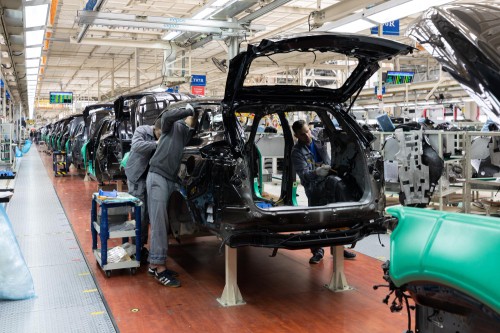
Vietnam’s economic landscape has evolved significantly since the Đổi mới reforms began in 1986. Notable domestic corporations have emerged across various sectors. In manufacturing, THACO has developed a significant automobile and mechanical engineering hub in Quảng Nam Province, while VinFast has gained recognition as Vietnam’s first electric vehicle manufacturer, with a presence on the Nasdaq stock exchange and markets in North America, Europe, and Southeast Asia. Hòa Phát Group has transitioned from furniture production to becoming a leading steel manufacturer in Southeast Asia, exporting millions of tonnes of steel annually. Meanwhile, FPT has grown into a major player in the regional IT sector, and Vinamilk has established a dairy brand with a global footprint in over 50 countries.
Infrastructure and real estate have also seen significant investments from Vietnamese enterprises. Vingroup has embarked on large-scale projects in urban development, healthcare, education, and electric vehicle production. Sun Group and BRG Group continue to invest heavily in tourism infrastructure, resorts, and airports, contributing to regional economic transformations. Despite these achievements, the Vietnam Chamber of Commerce and Industry’s deputy secretary-general, Đậu Anh Tuấn, notes that while the business sector has expanded, it lacks depth and capacity. Economist Trần Đình Thiên also emphasizes the need for strong economic groups capable of withstanding global economic shifts and leading the country’s industrial and economic advancements.
To achieve the goal of becoming a modern industrialized nation by 2045, Vietnam must shift its business support strategies. Trần Đình Thiên argues for targeted support aimed at fostering large-scale corporations capable of creating significant ripple effects across production chains. He stresses the importance of mastering technology and setting strategic priorities for industrial development. Echoing this sentiment, Nguyễn Cảnh Cường points to the success of Japan and South Korea in selecting strategic industries and building industrial ecosystems through long-term investments.
Resolutions 68 and 79 provide a cohesive policy framework to support the growth of Vietnamese enterprises, with opportunities already beginning to surface. However, the true test lies in the consistent and effective implementation of these strategies. If successful, the next decade could witness the rise of Vietnamese economic groups with prominence on the regional and global stage, reinforcing the nation’s economic aspirations.