
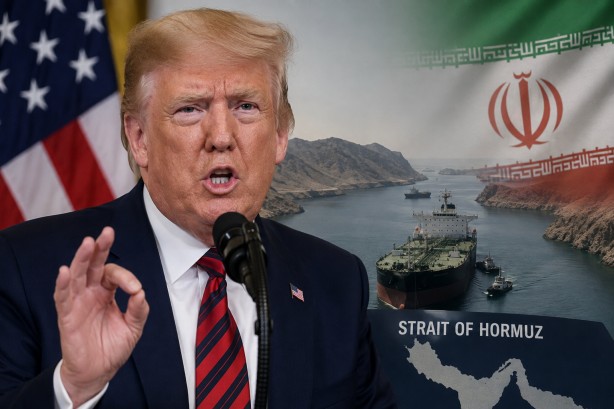
In a recent development, Iran has issued a stark warning to Gulf states, cautioning that any new military strike by the United States on Iranian soil would prompt retaliatory measures targeting critical energy infrastructure throughout the Gulf region. This warning was conveyed by Iranian Foreign Minister Abbas Araqchi during discussions with key officials from Saudi Arabia, Qatar, Turkey, and Pakistan, urging them to influence Washington to refrain from further military actions.
These talks come in the wake of a recent threat by US President Donald Trump to target Iran’s energy infrastructure. In response, Iran has emphasized its preference for diplomatic solutions while also making it clear that it will not hesitate to retaliate if attacked. The discussions highlighted Iran’s readiness to strike US assets and vital energy facilities across the region should an attack occur.
In light of these tensions, Saudi Arabia has reportedly advocated for the US to prioritize negotiation efforts to prevent an escalation of the conflict. At the same time, Saudi Arabia has underscored its commitment to defending itself against any aggression directed at its territory. The potential for Iran to target oil facilities, refineries, power grids, water infrastructure, transportation networks, and oil fields underscores the serious risk of disrupting Gulf energy supplies and increasing regional instability.
The situation has prompted regional leaders to continue pushing for diplomatic solutions aimed at averting a broader conflict. Such a conflict could have significant repercussions for global energy markets, underlining the necessity for a peaceful resolution. The ongoing efforts to maintain dialogue reflect a shared desire among Gulf states to prevent a crisis that could have far-reaching economic and geopolitical consequences.