
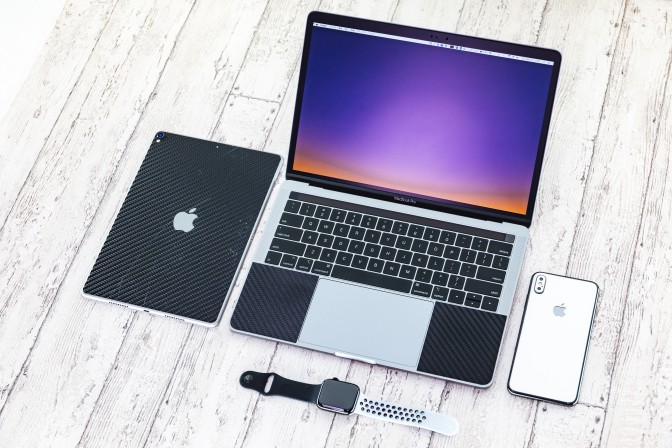
Apple has raised the prices of several iPad and MacBook models in Australia, attributing the increases to the rising costs of memory and storage components driven by the global surge in artificial intelligence. This price adjustment means that some of Apple’s devices have seen increases of over 20%, significantly impacting the cost for consumers. The price of the MacBook Air 13-inch, for instance, has climbed from AUD 1,799 to AUD 2,099, alongside similar hikes in the company’s more affordable MacBook model. iPads have also been affected, with the standard iPad, iPad mini, iPad Air, and iPad Pro all facing considerable price increases.
According to Apple, the company had previously absorbed these escalating production costs, but the situation has reached a point where adjusting prices became unavoidable. Notably, the prices of memory and storage chips have surged at an unusually rapid pace. This price hike comes amid a competitive scramble among technology firms for the chip supplies essential for AI data centers, which has, in turn, reduced the availability of memory components for consumer products, thereby driving up manufacturing costs across the tech industry.
While the iPhone lineup remains unaffected for now, industry analysts predict that future models may also see price increases as companies continue to grapple with rising component expenses. This trend isn’t isolated to Apple alone; other technology companies have similarly adjusted their device prices in response to the heightened costs of memory and storage.
The ongoing demand for advanced computing capabilities has led to a squeeze on the availability of critical components, resulting in increased production costs that are being passed on to consumers. As technology firms navigate these challenges, the financial impact is becoming increasingly evident in the retail prices of popular consumer electronics.